Indepentent Electrical Testing
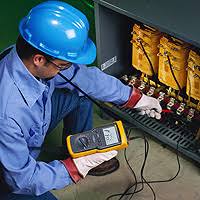
Our field technicians and customer support engineers can perform site acceptance testing, commission equipment, perform planned maintenance, as well as respond to emergencies 24 hours a day, 7 days a week, 365 days a year. With optimal maintenance and support, your business will have more reliable, higher quality and cost-effective power. Our support services help businesses make the most of their existing electrical equipment by optimizing performance and extending the life of existing facilities.
An electrical testing company specializes in performing various types of tests and inspections on electrical systems and equipment to ensure they are safe, reliable, and compliant with industry standards and regulations. These companies typically provide services to a wide range of clients, including residential, commercial, and industrial sectors. Here are some of the key activities and services that an electrical testing company may offer:
Electrical Safety Testing: They perform safety tests to identify potential hazards and ensure electrical systems, appliances, and equipment comply with safety standards. This may include testing for insulation resistance, ground fault circuit interrupters (GFCIs), residual current devices (RCDs), and more.
Power Quality Testing: They assess and analyze the quality of electrical power, looking for issues such as voltage sags, surges, harmonics, or other disturbances that can impact the performance and lifespan of electrical equipment.
Electrical System Testing: They evaluate the overall performance and reliability of electrical systems, including transformers, switchgear, circuit breakers, relays, and control panels. This includes testing for proper functioning, load capacity, and compliance with relevant standards.
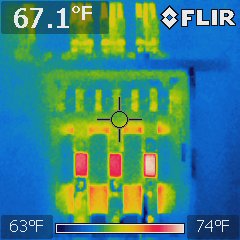
Thermal Imaging: Using specialized equipment, they perform thermal imaging inspections to detect potential electrical faults, hotspots, or abnormal heat patterns that could indicate equipment malfunctions or potential fire hazards.
Grounding and Earthing Testing: They check the integrity and effectiveness of grounding and earthing systems to ensure proper protection against electrical faults and lightning strikes.
Power Factor Correction Testing: They assess the power factor of electrical systems to determine if there is a need for power factor correction measures, which can improve energy efficiency and reduce utility costs.
Lightning Protection Testing: They inspect and test lightning protection systems to verify their proper installation, grounding, and overall effectiveness in safeguarding structures and equipment against lightning strikes.
Electrical Installation Condition Reports (EICRs): They conduct comprehensive inspections and testing of electrical installations, providing detailed reports on their condition, compliance, and any necessary remedial actions.
Compliance and Certification: Electrical testing companies may offer services to ensure electrical systems and equipment meet relevant regulations, codes, and industry standards. They may provide certification and documentation to demonstrate compliance.
Overall, an electrical testing company plays a crucial role in ensuring electrical safety, reliability, and efficiency by conducting thorough inspections, tests, and evaluations of electrical systems and equipment. Their services help prevent accidents, equipment failures, and costly downtime while ensuring compliance with regulatory requirements
The purpose of electrical testing is to verify the performance, functionality, and safety of electrical systems, components, and devices. Electrical testing involves evaluating various electrical parameters, such as voltage, current, resistance, capacitance, and inductance, to ensure that the electrical system or equipment operates as intended and meets the required specifications.
Some common reasons for conducting electrical testing include:
-
Safety: Electrical testing helps identify potential hazards and ensures that electrical systems and equipment comply with safety standards. It helps detect faults, such as short circuits, ground faults, or insulation failures, which could pose a risk of electrical shock, fire, or damage to equipment.
-
Performance Verification: Electrical testing assesses the performance of electrical devices, such as motors, transformers, generators, and circuit breakers, to ensure they operate within specified parameters. It helps identify issues that could affect their efficiency, output, or lifespan.
-
Quality Control: Testing electrical components during manufacturing or assembly ensures that they meet quality standards and perform reliably. It helps identify manufacturing defects, faulty connections, or other issues that could impact the product’s performance or safety.
-
Troubleshooting: When electrical systems or equipment malfunction or fail, testing is performed to diagnose the problem and identify the faulty components or connections. It helps technicians pinpoint the root cause and facilitates effective repairs.
-
Compliance: Electrical testing is often required to meet regulatory or industry standards. It ensures that electrical systems, devices, or installations adhere to specific codes or guidelines, providing a level of assurance regarding their safety, reliability, and efficiency.
-
Preventive Maintenance: Regular electrical testing helps detect early signs of degradation or wear and allows for timely maintenance or repairs. It helps prevent unexpected failures, reduces downtime, and extends the lifespan of electrical systems.
Overall, electrical testing plays a crucial role in ensuring the safety, reliability, and performance of electrical systems, components, and devices, ranging from small electronic devices to large-scale power distribution networks.
Related Services
Acceptance Testing & Commissioning
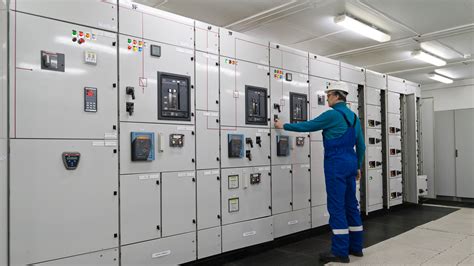
Before newly installed electrical equipment is started, it requires acceptance testing. It must meet all specified requirements for function and design. IET will perform a thorough examination of your electrical equipment following installation and wiring into your power system and make sure all equipment, switches, and connections pass the grade for safe installation and operation not only today, but well into the future.