
Electrical Ground Testing
Electrical ground testing, also known as grounding system testing or earth testing, is a process used to evaluate the effectiveness and integrity of electrical grounding systems. The purpose of grounding in electrical systems is to provide a safe path for electrical current to flow into the ground, thereby preventing the buildup of voltage that could lead to electrical hazards, equipment damage, or malfunction
Ground testing involves measuring various parameters to ensure that the grounding system meets safety standards and performs its intended functions. Here are some common tests conducted during electrical ground testing:
1. Ground resistance measurement: This test determines the resistance of the grounding system by injecting a known current into the ground and measuring the resulting voltage drop. The resistance value indicates how well the grounding system can dissipate fault currents and provide a low-resistance path for fault currents to flow.
2. Ground impedance measurement: Similar to ground resistance measurement, this test determines the impedance of the grounding system, which takes into account both the resistance and reactance of the system. It provides a more comprehensive assessment of the grounding system’s performance, particularly in cases where high-frequency disturbances or lightning strikes are a concern.
3. Step and touch potential testing: These tests evaluate the safety of the grounding system by measuring the voltage difference between different points on the ground. Step potential refers to the voltage difference a person would experience when standing with one foot on the ground and the other on a grounded object, while touch potential measures the voltage difference when touching a grounded object.
4. Soil resistivity testing: The resistivity of the soil plays a crucial role in determining the effectiveness of the grounding system. This test measures the resistivity of the soil at various depths to ensure that the grounding system is appropriately designed for the specific soil conditions.
5. Continuity testing: This test verifies the continuity of the grounding conductors and connections, ensuring that there are no breaks, loose connections, or high-resistance points in the grounding system.
By conducting these tests, electrical ground testing helps identify any deficiencies or problems in the grounding system, allowing for corrective actions to be taken. This ensures the safety of personnel, protects electrical equipment from damage, and helps maintain the reliability of the electrical system.
There are several types of tests that can be performed on electrical grounding systems. Some of the most common ones include:
- Continuity test: This test checks for continuity between the ground conductor and the earth electrode. A low-resistance reading indicates that the system is properly grounded.
- Resistance test: This test measures the resistance between the ground electrode and the earth. A low resistance reading is indicative of a well-grounded system.
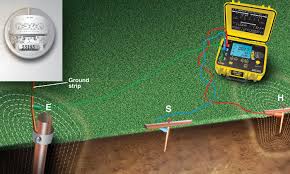
- Fall-of-potential test: This test is used to determine the earth resistance of a grounding system. A voltage is applied to the ground electrode, and the voltage drop is measured. The earth resistance can then be calculated based on the voltage drop and the current flowing through the electrode.
- Clamp-on test: This test measures the current flowing through a ground conductor. The clamp-on ammeter is clamped around the conductor, and the current reading is displayed on the meter.
- Soil resistivity test: This test is used to determine the resistivity of the soil around the grounding system. A low resistivity indicates that the soil is a good conductor and will provide a good grounding system.
It is important to note that these tests should be performed regularly to ensure that the electrical grounding system is working properly and is providing adequate protection.
Related Services
Acceptance Testing & Commissioning
Your content goes here. Edit or remove this text inline or in the module Content settings. You can also style every aspect.

Insulation Resistance Testing
Your content goes here. Edit or remove this text inline or in the module Content settings. You can also style every aspect.
Ground Resistance Testing
Your content goes here. Edit or remove this text inline or in the module Content settings. You can also style every aspect.