
Acceptance Testing & Commissionong
Electrical commissioning testing is a crucial step in ensuring that electrical systems are safe, reliable, and efficient. It is important to perform these tests by trained professionals to avoid any hazards or damage
Electrical commissioning testing is an important process that should be performed before energizing any new or modified electrical system. This process involves a series of tests and inspections that are designed to verify that the electrical equipment and systems have been installed correctly, operate safely, and meet the design specifications.
Here are some reasons why electrical commissioning testing is necessary:
- Ensures safety: The primary reason for commissioning testing is to ensure that the electrical equipment and systems are safe for use. Commissioning tests can detect any wiring errors, equipment defects, or installation issues that could pose a safety hazard to personnel or the equipment itself.
- Reduces downtime: Commissioning tests can identify and address any problems with the electrical system before it is put into operation. This can prevent unexpected downtime due to equipment failure or malfunction, which can be costly in terms of lost production and repairs.
- Improves efficiency: Commissioning tests can optimize the performance of electrical equipment and systems. This can help to reduce energy consumption, improve reliability, and extend the life of the equipment.
- Compliance: Commissioning testing is often required by regulatory bodies to ensure compliance with local, national, and international standards. These standards specify the minimum requirements for the design, installation, operation, and maintenance of electrical equipment and systems.
Electrical acceptance testing is an essential step in ensuring that newly installed electrical systems and equipment meet the required safety and performance standards. There are several reasons why electrical acceptance testing should be done, including:
- Compliance: Electrical acceptance testing is often required by local and national electrical codes and standards, such as the National Electrical Code (NEC), to ensure compliance with safety and performance requirements.
- Safety: Electrical acceptance testing helps to identify potential hazards and defects in electrical systems and equipment before they can cause harm to people or property.
- Performance: Electrical acceptance testing helps to ensure that electrical systems and equipment are functioning properly and efficiently, which can help to reduce downtime, improve productivity, and save money.
- Liability: By conducting electrical acceptance testing, you can reduce your liability in case of accidents or failures caused by electrical equipment or systems.
Warranty: Electrical acceptance testing can help to ensure that new electrical systems and equipment are installed correctly and are functioning properly, which can help to prevent warranty claims and disputes
Related Services
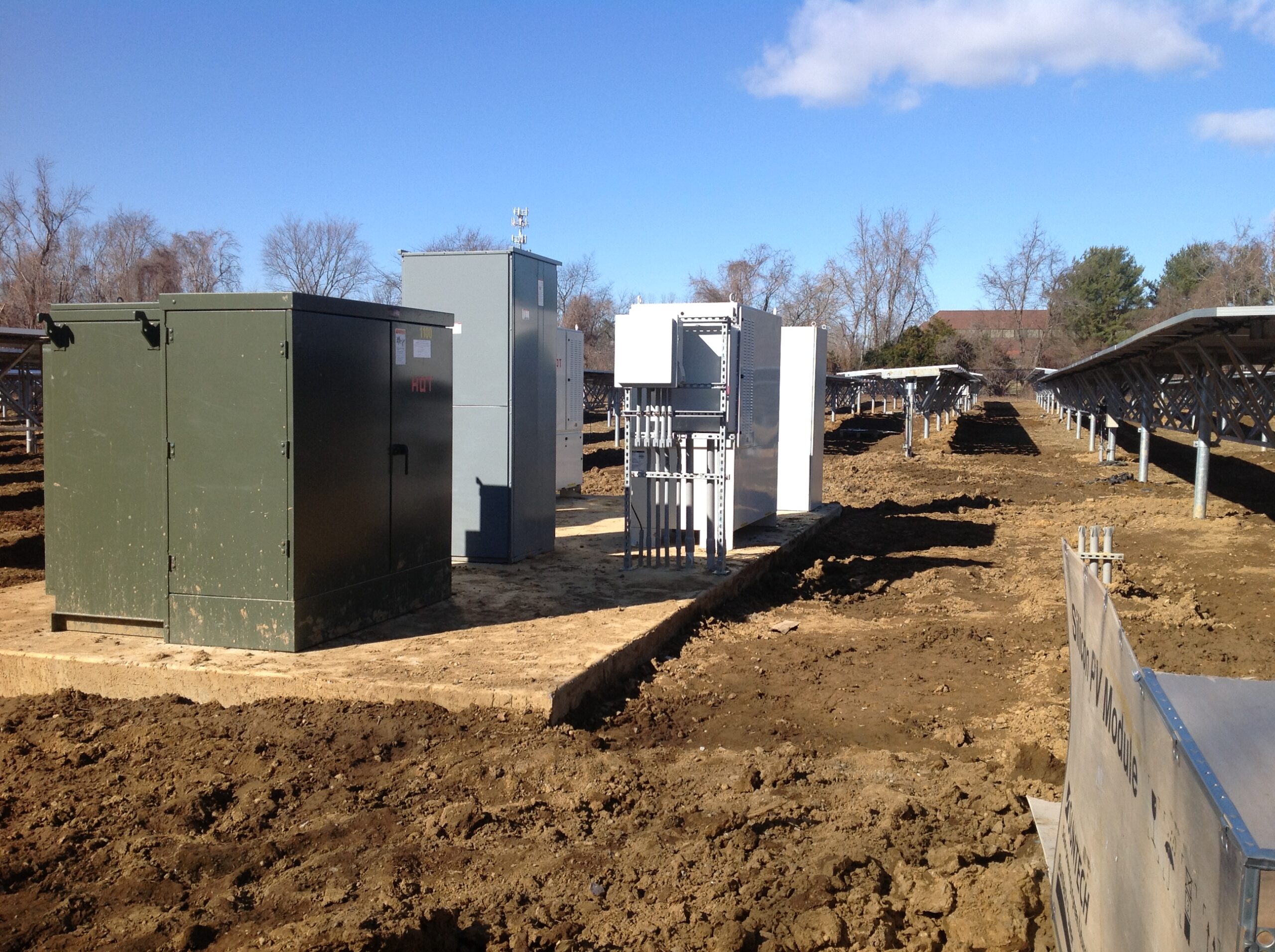
Acceptance Testing & Commissioning
Electrical commissioning testing is a crucial step in ensuring that electrical systems are safe, reliable, and efficient. It is important to perform these tests by trained professionals to avoid any hazards or damage

Insulation Resistance Testing
The insulation resistance test is performed to ensure that the insulation in the electrical equipment is adequate to prevent electrical leakage or breakdown. It is commonly used on cables, transformers, motors, generators, and other electrical equipment