Cable Location Services
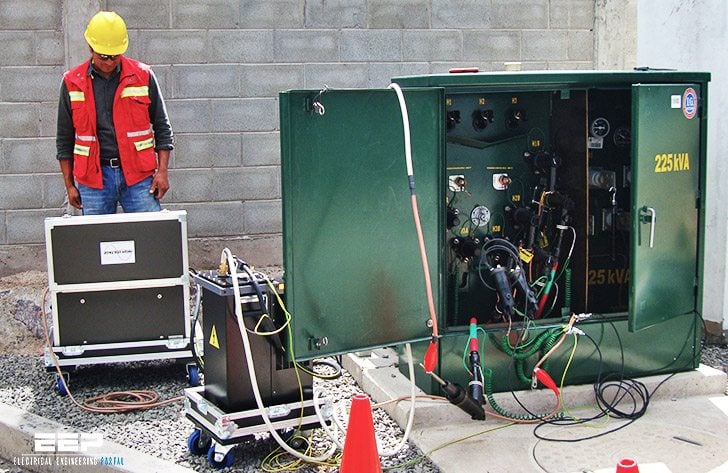
Electrical ground testing, also known as grounding system testing or earth testing, is a process used to evaluate the effectiveness and integrity of electrical grounding systems. The purpose of grounding in electrical systems is to provide a safe path for electrical current to flow into the ground, thereby preventing the buildup of voltage that could lead to electrical hazards, equipment damage, or malfunction
Underground cable location services specialize in identifying and mapping the location of buried cables and utility lines. These services are commonly utilized in construction, excavation, and maintenance projects to prevent accidental damage to underground infrastructure.
Here are some key functions and activities performed by underground cable location services:
-Cable Detection: Using specialized equipment such as ground-penetrating radar (GPR) and electromagnetic locators, technicians scan the ground to detect the presence of underground cables. These devices emit signals and measure the response to identify the location and depth of buried cables.
-Mapping and Marking: Once underground cables are detected, the service providers mark the location of the cables on the ground’s surface. This ensures that contractors and workers have a clear visual reference of the cable paths, reducing the risk of accidental damage during digging or excavation.
-Cable Identification: Underground cable location services can often determine the type of cables detected, such as power lines, telecommunication cables, or utility lines. This information helps contractors understand the nature of the infrastructure and take appropriate precautions during construction or maintenance work.
-Cable Tracing: In addition to identifying the presence of cables, these services can also trace the path of underground cables. By following the cables’ routes, technicians can map out their trajectory, bends, and junctions, providing a comprehensive understanding of the cable network’s layout.
-Utility Mapping: Beyond cables, underground cable location services may also identify and locate other buried utilities such as gas pipes, water lines, sewer systems, or fiber optic cables. This comprehensive utility mapping helps avoid damage to critical infrastructure during construction activities.
-Documentation: Cable location service providers often create detailed reports and documentation of their findings. This information can include cable depths, types, and coordinates, providing a valuable resource for future reference or planning of maintenance or expansion projects.
The primary objective of underground cable location services is to promote safety, minimize the risk of accidental cable damage, and facilitate efficient planning and execution of construction projects that involve working near buried cables and utilities.