
Insulation Resistance Testing
Insulation resistance is defined as the resistance to current leakage through and over the surface of the insulation material surrounding a conductor.
Insulation starts to age as soon as it’s made. As it ages, its insulating performance deteriorates. Any harsh installation environments, especially those with temperature extremes and/or chemical contamination, accelerates this process. This deterioration can result in dangerous conditions in power reliability and personnel safety. As such, it’s important to identify this deterioration quickly so that corrective steps can be taken. One of the simplest tests and its required test instrument are not universally understood. To help eliminate this lack of understanding, let’s discuss in detail Insulation Resistance (IR) testing and the megohmmeter.
Insulation resistance testing is a type of electrical testing used to determine the insulation resistance of electrical equipment or systems. This test involves applying a high DC voltage (typically between 500 and 1000 volts) across the insulation of the equipment or system and measuring the current that flows through it.
The insulation resistance test is performed to ensure that the insulation in the electrical equipment is adequate to prevent electrical leakage or breakdown. It is commonly used on cables, transformers, motors, generators, and other electrical equipment.
The test is usually conducted with a specialized instrument called a Megger, which applies the high voltage and measures the insulation resistance. The measured insulation resistance value is compared to the manufacturer’s specifications or industry standards to determine if the equipment is safe and reliable for use.
Insulation resistance testing is typically performed as part of routine maintenance or during commissioning of new electrical equipment to ensure its safety and reliability. It is also used for fault finding or troubleshooting when electrical equipment is malfunctioning
Electrical cables should be tested to ensure that they are safe and functional. The testing process helps to identify any defects or flaws that could cause electrical hazards or affect the performance of the cable. Here are some reasons why electrical cables should be tested:
- Safety: Faulty or damaged cables can pose a significant safety risk, including the risk of electrical shock, fire, or electrocution. Testing helps to identify any faults or weaknesses that could compromise the safety of the cable.
- Compliance: Electrical cables must meet specific safety standards and regulations to be used safely in different settings. Testing ensures that cables meet these requirements and are compliant with relevant standards.
- Performance: The performance of electrical cables can be affected by a range of factors, including temperature, humidity, and wear and tear. Testing can identify any issues that could affect the performance of the cable, including impedance, resistance, and insulation resistance.
Maintenance: Regular testing and inspection of electrical cables can help to identify potential issues before they become serious problems. This can help to prevent downtime, reduce repair costs, and extend the lifespan of the cable .
There are several methods used to test electrical cables, including:
- Insulation Resistance Testing: This method measures the insulation resistance of the cable to determine its ability to withstand a voltage. The test is performed by applying a DC voltage to the cable and measuring the current flow.
- High Voltage Testing: This method applies a high voltage to the cable to check the insulation’s ability to withstand voltage stress.
- Sheath Integrity Testing: This method tests the integrity of the cable sheath to detect any damage or faults that could result in a short circuit. It is done by measuring the insulation resistance between the sheath and the conductors.
- Continuity Testing: This method checks the continuity of the cable’s conductors to ensure that there are no breaks or faults in the wiring.
- Time Domain Reflectometry (TDR): This method uses a pulse of electricity to send a signal down the cable and measures the time it takes for the signal to return. It helps detect any damage or faults in the cable’s structure, such as breaks or faults in the wiring or connectors.
- Capacitance Testing: This method measures the cable’s capacitance to detect any defects that may be affecting the cable’s performance.
- Partial Discharge Testing: This method detects partial discharges in the insulation of the cable, which can lead to cable failure if left undetected.
These testing methods are used to ensure the safety, reliability, and performance of electrical cables in a range of applications, from industrial to residential settings
Related Services
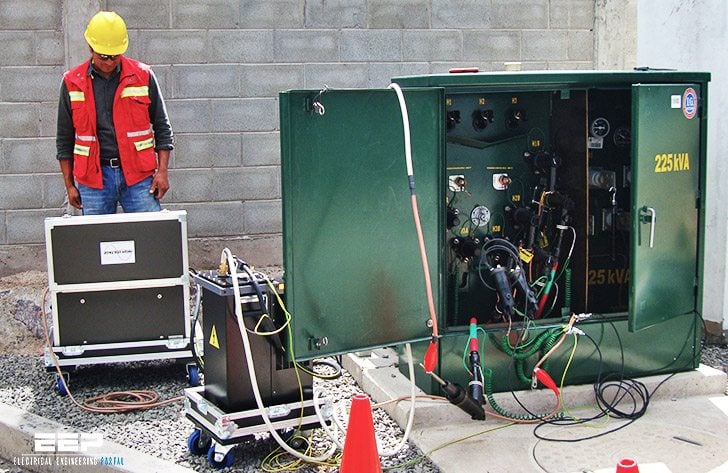
Acceptance Testing & Commissioning
Your content goes here. Edit or remove this text inline or in the module Content settings. You can also style every aspect.
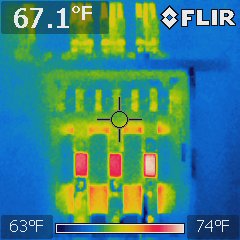
Infrared Thermography
Your content goes here. Edit or remove this text inline or in the module Content settings. You can also style every aspect.
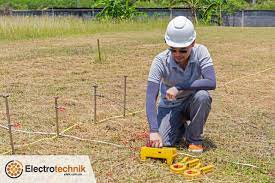
Ground Resistance Testing
Your content goes here. Edit or remove this text inline or in the module Content settings. You can also style every aspect.