
Power Quality Anaylsis
Power quality monitoring is essential for maintaining the efficient operation of electrical systems, minimizing downtime, protecting equipment, optimizing energy usage, and ensuring compliance with standards and regulations. It enables organizations and individuals to proactively manage power quality issues, leading to improved reliability, cost savings, and enhanced productivity.
For over 40 years, Independent Electrical Testing has been providing customers reliable electrical testing. Among our most requested service is power quality analysis.
What Is Power Quality Analysis?
Power quality analysis refers to the process of monitoring, assessing, and analyzing the characteristics of electrical power in order to evaluate its quality and identify any disturbances or issues that may affect the performance of electrical equipment and systems. It involves measuring various parameters related to voltage, current, frequency, and waveform, and analyzing the data to determine the quality of the power supply.
The objective of power quality analysis is to ensure that the electrical power supplied to a facility or a system meets certain standards and does not cause any detrimental effects on the performance or lifespan of electrical equipment. Poor power quality can lead to a variety of problems, such as voltage fluctuations, harmonics, transients, sags, surges, and interruptions. These issues can result in equipment malfunction, data loss, production downtime, and increased energy consumption.
Power quality analysis typically involves the use of specialized instruments called power quality analyzers or monitors, which are connected to the electrical system to measure and record relevant parameters. These instruments can capture and analyze waveforms, voltage levels, current levels, harmonic content, frequency variations, and other power quality indicators.
The collected data is then analyzed using various techniques and software tools to identify any abnormalities or deviations from the desired power quality standards. This analysis can help pinpoint the root causes of power quality issues, such as faulty equipment, inadequate grounding, power factor problems, or interactions between different electrical loads.
By performing power quality analysis, electrical engineers, power system operators, and facility managers can take proactive measures to mitigate power quality problems, optimize system performance, enhance equipment reliability, and ensure compliance with regulatory requirements. It allows them to identify corrective actions, implement appropriate solutions, and monitor the effectiveness of those solutions over time.
Independent Electrical Testing Power Quality Analysis Services
Our certified technicians have the knbowledge and experience to measure in order to gage and amperage, voltage values, power factors, voltage and current unbalance, voltage variations and more.
Once the analysis is performed, the technicians study the data taken from the analysis to determine whether your facility’s power system is working as it should or if parts of the system need repair.
Why is Power Quality analysis important
Power quality monitoring is important for several reasons:
- Equipment Performance: Power quality issues such as voltage sags, surges, harmonics, and flicker can negatively affect the performance and lifespan of electrical equipment. Monitoring power quality allows businesses and individuals to identify and address these issues promptly, reducing the risk of equipment failure, downtime, and costly repairs or replacements.
- Energy Efficiency: Poor power quality can lead to energy wastage. For instance, voltage imbalances or harmonics can cause motors and other electrical devices to operate less efficiently, resulting in higher energy consumption. By monitoring power quality, energy inefficiencies can be identified and corrected, helping to optimize energy usage and reduce costs.
- Equipment Compatibility: Different types of electrical equipment have specific power quality requirements. Monitoring power quality ensures that the supplied power meets the compatibility standards of the connected equipment. It helps identify potential mismatches, such as voltage levels, frequency variations, or waveform distortions, which can lead to malfunctions, errors, or even damage.
- Reliability and Continuity: Reliable power supply is crucial for businesses, industries, and critical infrastructure. Power quality monitoring helps detect and mitigate power interruptions, voltage fluctuations, and other issues that could disrupt operations or damage sensitive equipment. By monitoring power quality, organizations can take proactive measures to maintain continuity and minimize the impact of power disturbances.
- Compliance and Standards: Power quality is subject to various standards and regulations, depending on the industry and location. Monitoring power quality allows organizations to ensure compliance with relevant standards and demonstrate adherence to regulatory requirements. It also helps in identifying potential violations and taking corrective actions to avoid penalties or legal consequences.
- Diagnostics and Troubleshooting: Power quality monitoring provides valuable data and insights into the electrical system’s behavior. It helps identify patterns, trends, and anomalies that can assist in diagnosing the root causes of power quality issues, troubleshooting electrical problems, and optimizing system performance. This data-driven approach simplifies fault finding, reduces downtime, and improves overall system reliability.
Related Services
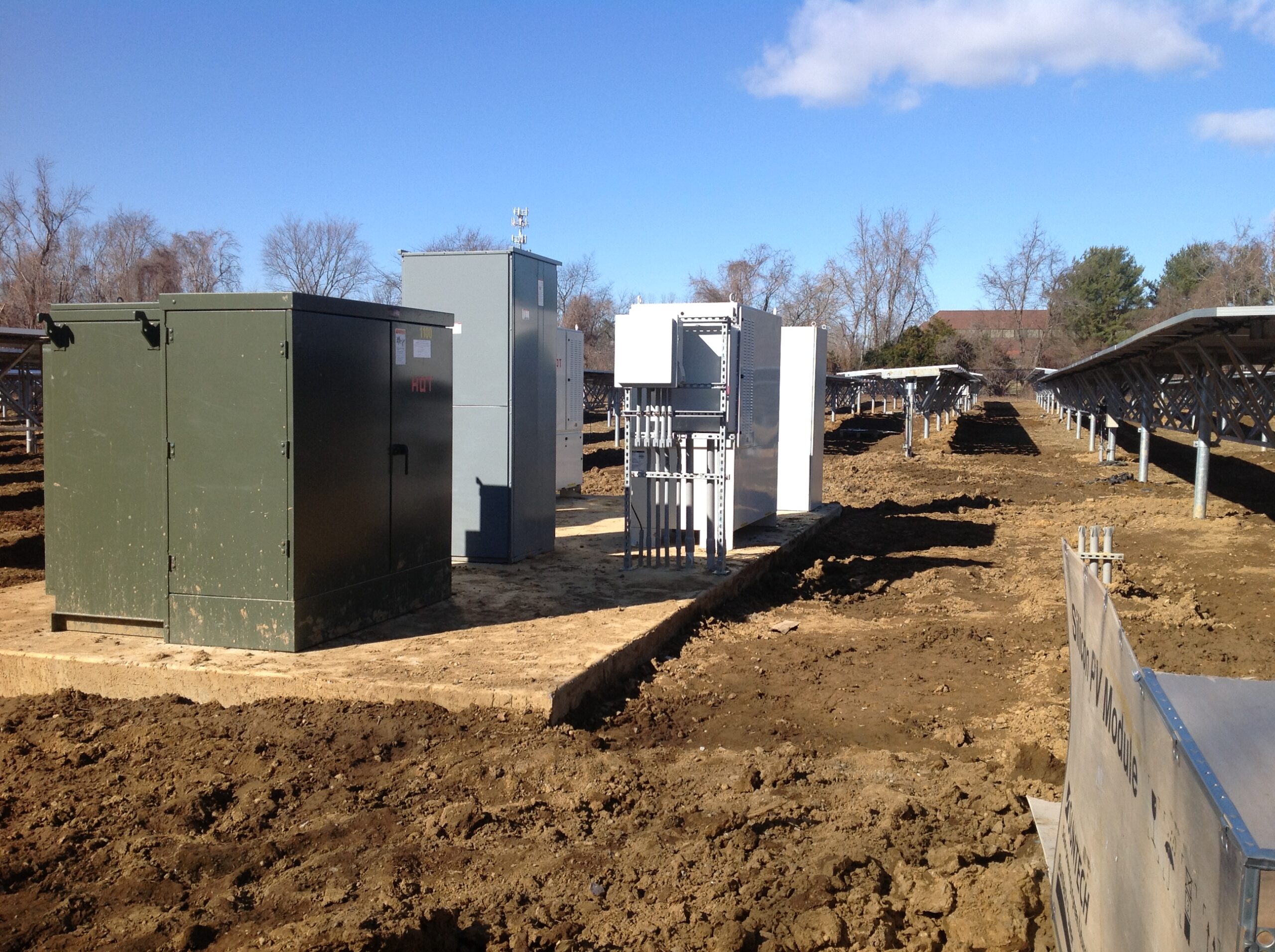
Acceptance Testing & Commissioning
Your content goes here. Edit or remove this text inline or in the module Content settings. You can also style every aspect.
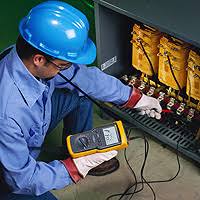
Insulation Resistance Testing
Your content goes here. Edit or remove this text inline or in the module Content settings. You can also style every aspect.
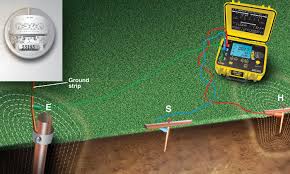
Ground Resistance Testing
Your content goes here. Edit or remove this text inline or in the module Content settings. You can also style every aspect.